

Adorn Me:
From a Busy Boutique to a Fully Defined Business Experience
A full transformation across operations, merchandising, and customer experience—built using the LifeWise Method™ to create a more structured, efficient, and scalable business.
Newtown, PA • Gift Boutique
The Challenge
Adorn Me is a high-performing boutique with a strong eye for product and a loyal customer base.
But behind the scenes, the business was becoming harder to manage:
Inventory was being overbought and under-tracked
Displays were visually crowded
Systems were inconsistent or missing
Time was being lost to inefficiencies
Customer growth opportunities were being missed
The business wasn’t broken—it just wasn’t structured to support its next level of growth.
Phase 1: Clarity
Founder Reset → Team Reset
Overview
We began by helping the founder step back and get clear—defining the vision for the business, identifying what was holding it back, and simplifying priorities.
From there, we aligned the team around that clarity—so the business could operate more consistently without relying on the owner for every decision.
Lack of clarity in decision-making
Too much living in the owner’s head
Unclear roles across the team
Inconsistent execution and communication
What this addressed:
Clarified the vision and direction of the business
Identified key friction points and constraints
Simplified priorities and decision-making
Strengthened personal systems to support better leadership
Defined roles, responsibilities, and expectations across the team
Established a more consistent way of operating day-to-day
What we did:
Outcome:
A clear direction for the business, with defined roles and more consistent execution—creating a strong foundation for operations, systems, and growth.
Phase 2: Direction
LifeWise Direction Audit
Overview
With alignment in place, we developed a structured LifeWise Direction Audit to evaluate the business across operations, inventory, merchandising, customer experience, and marketing.
This created a clear view of what was working, what wasn’t, and where the highest-impact opportunities existed—so decisions could be made with intention, not guesswork.
What this revealed:
Where money was being lost or tied up in inventory
Where systems were missing or breaking down
Where inefficiencies were compounding over time
Where growth opportunities were being missed
What it includes:
A full evaluation of key business systems and workflows
Identification of root causes—not just surface-level issues
Prioritization of the highest-impact improvements
ROI-based decision-making for what to fix first
A clear, focused roadmap for execution
Outcome:
A clear, prioritized plan—so the business could move forward with confidence, focusing on the changes that would create the most meaningful impact.
Phase 3: Build
Overview
With clear priorities in place, we focused on implementing the highest-impact improvements across the business.
This phase translated strategy into action—bringing structure to operations, refining the customer experience, and creating more consistency in how the business runs day-to-day.
What this addressed:
Inefficient or missing operational systems
Overbuying and lack of inventory control
Visual clutter reducing product clarity and value
Inconsistent customer experience and missed opportunities
Time lost to manual processes and reactive decisions
What we implemented:
Structured operations and daily systems for the team
Inventory and buying processes with backstock verification
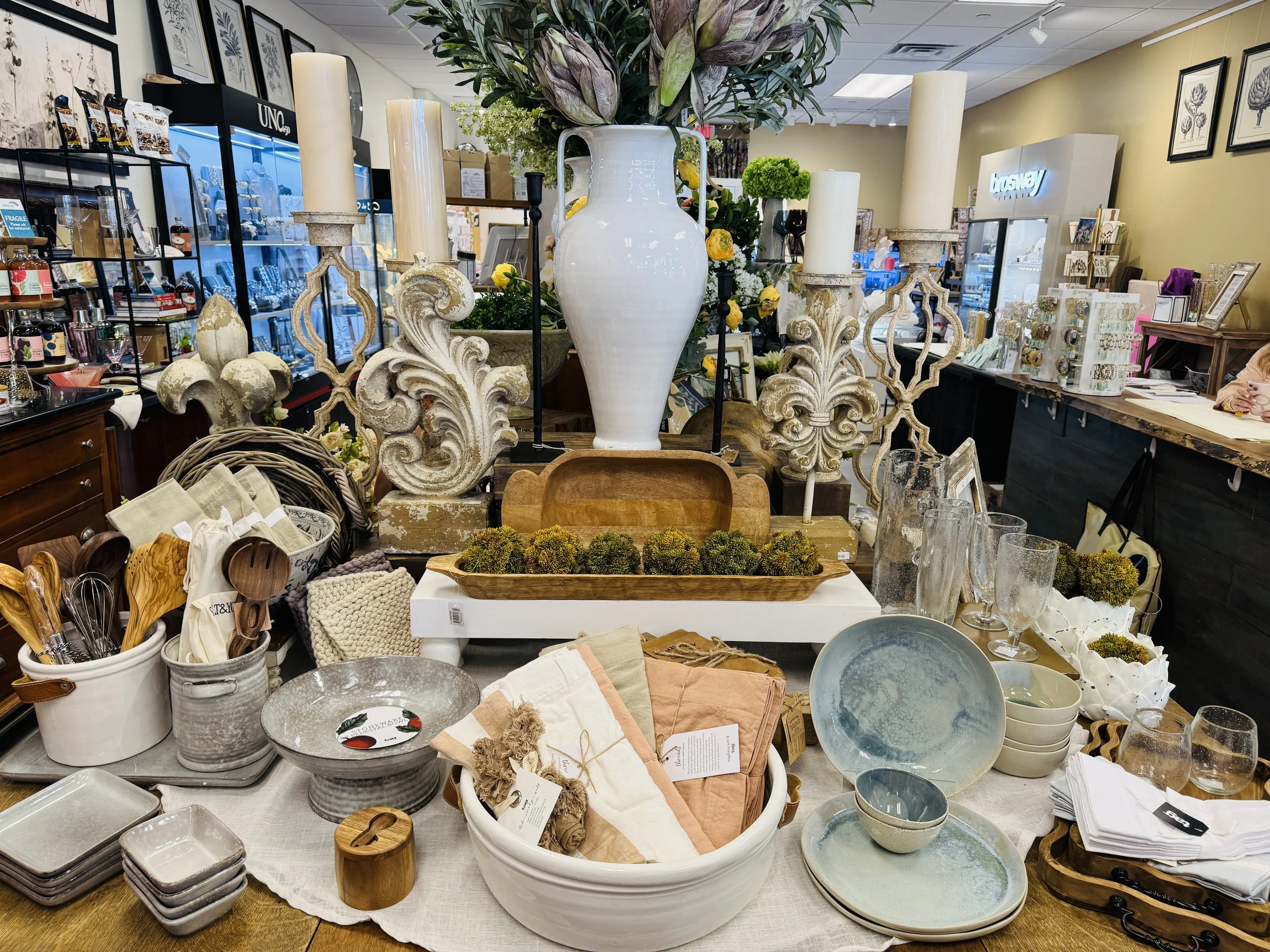
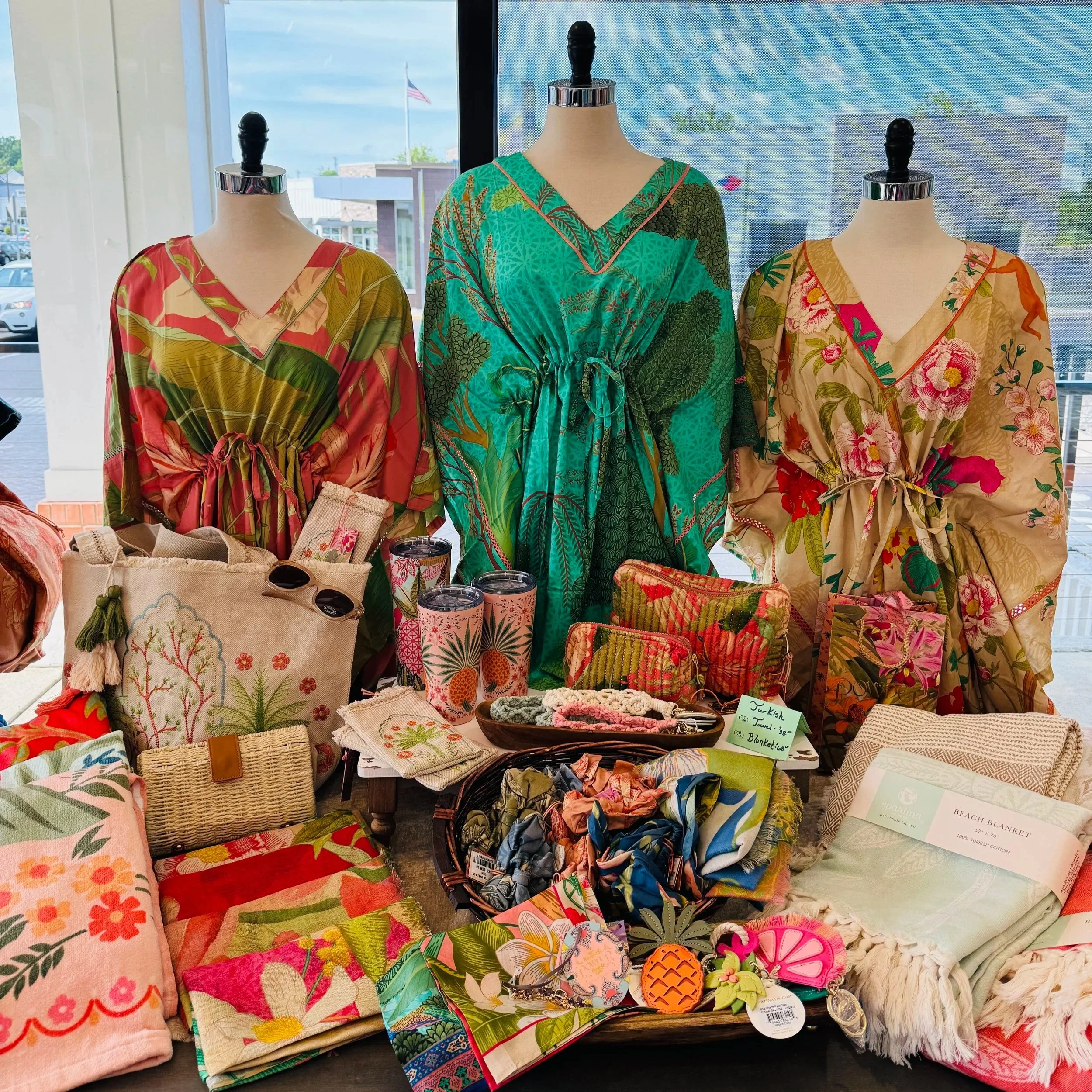
Simplified, more intentional merchandising and display strategy
Customer capture systems at checkout (social + reviews)
A consistent marketing rhythm (weekly drops and featured items)
Clear policies for returns, warranties, and special orders
Outcome:
A more efficient, structured, and manageable business—where systems support daily operations, the customer experience is more consistent, and the team can execute with greater clarity and confidence.

Phase 4: Sustain
Business Experience Playbook
Overview
With the business operating more effectively, the final phase focused on defining how everything works—so it can be repeated, maintained, and improved over time.
Rather than relying on memory or constant oversight, the goal was to create clarity that lasts beyond the initial work.
How the business operates day-to-day
How the team communicates and executes
How the customer experience is delivered
How decisions are made across the business
What this captured:
What it includes:
A structured Business Experience Playbook
Defined systems, workflows, and standards
Clear expectations for team roles and execution
Clear brand guidelines and a defined customer experience
A foundation for ongoing refinement and growth
Outcome:
A business that runs with clarity, consistency, and less reliance on the owner—supported by a defined system, clear brand standards, and a cohesive customer experience that can be maintained and scaled over time.
Impact & Results
Operations & Efficiency
Reduced daily friction through clearer systems and workflows
Improved team consistency and accountability
Less reliance on the owner for day-to-day decisions
Faster execution across tasks and responsibilities
Inventory & Merchandising:
Reduced overbuying and duplicate inventory
Improved product clarity through simplified displays
Increased perceived value across merchandise
Stronger sell-through due to more intentional presentation
Customer Growth:
Increased customer capture through in-store touchpoints
Growth in social engagement from consistent content
More repeat customer potential through improved experience
Stronger brand connection at checkout and post-purchase
Financial Impact:
More efficient use of inventory and purchasing budget
Reduced losses from returns, overbuying, and outdated policies
Improved cash flow through better inventory management
Increased long-term revenue potential through systemization




Start with Clarity
If your business feels harder to manage than it should, the first step is getting clear on what’s actually happening.
This is the same process we bring to every business we work with.